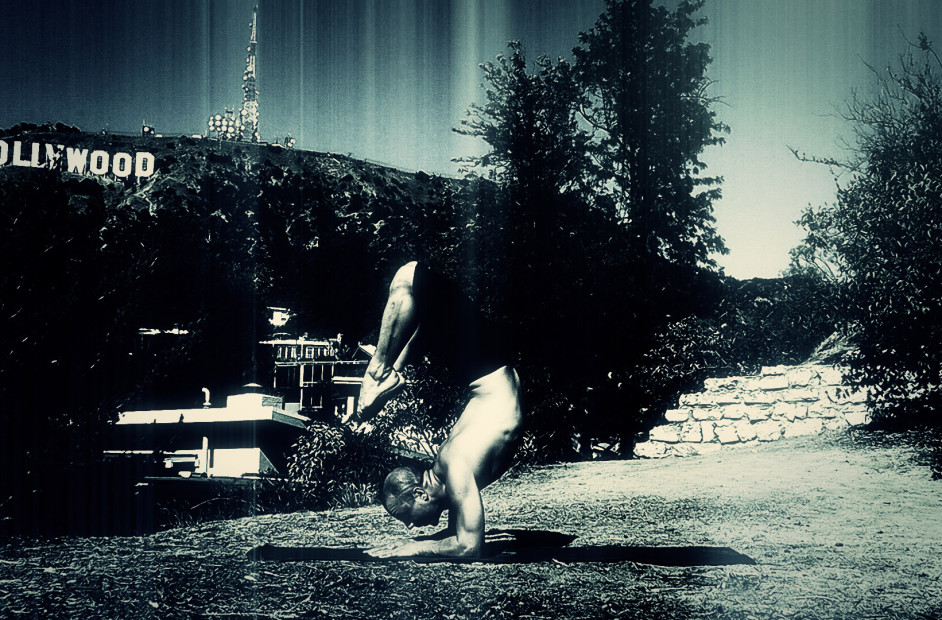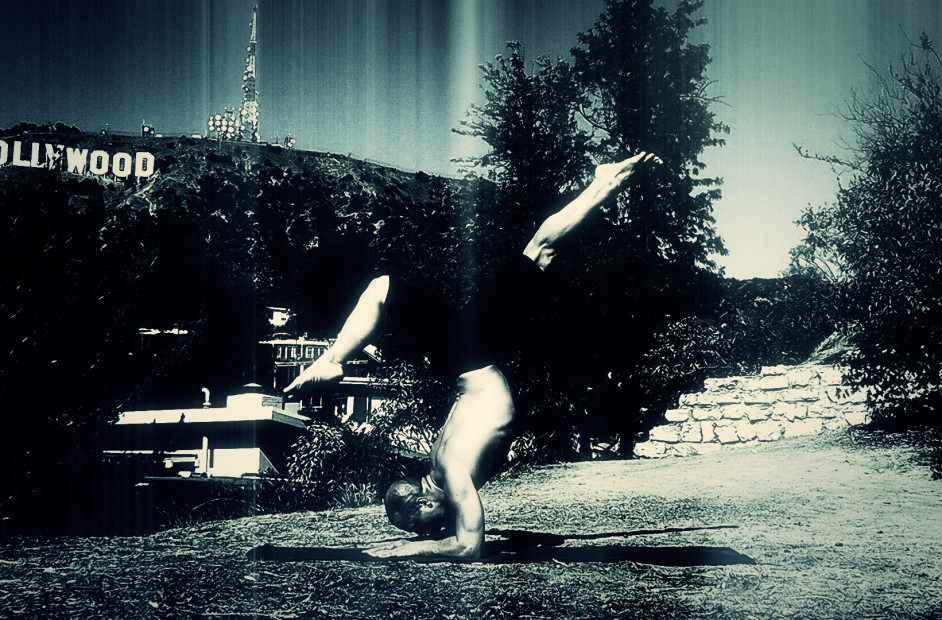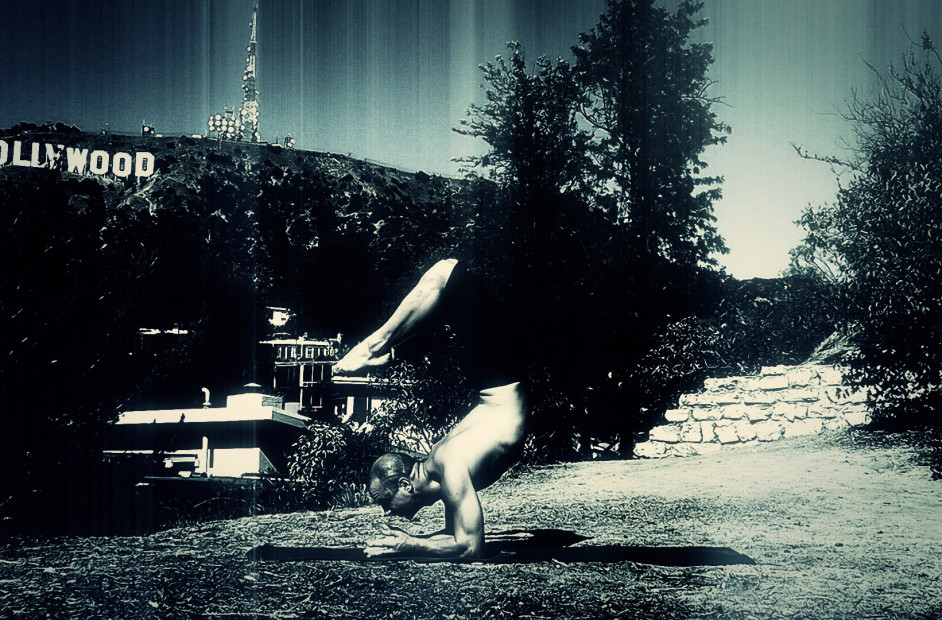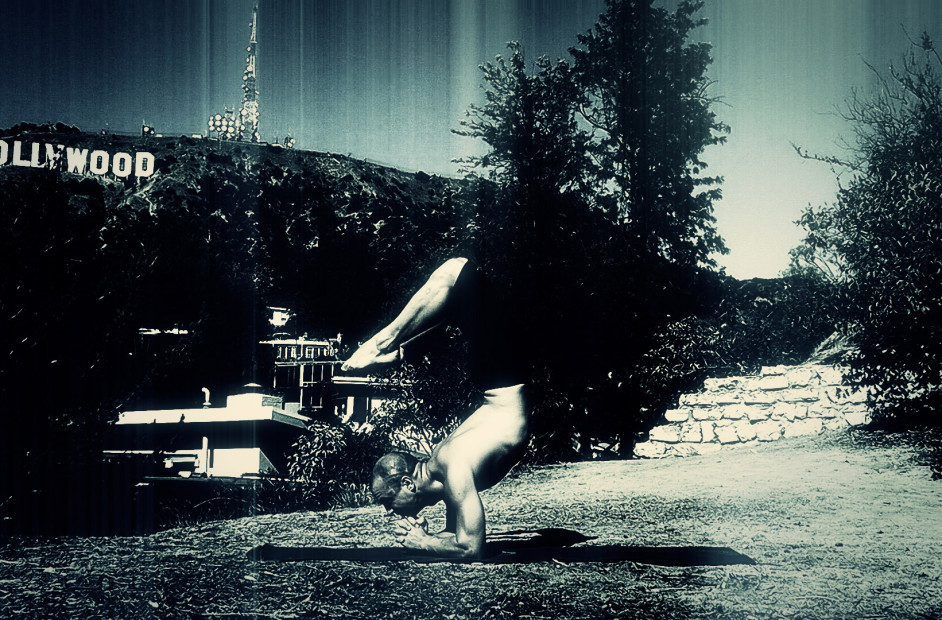

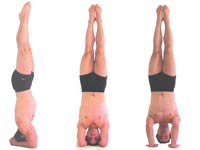
Salamba Sirsasana
Supported Headstand
The headstand is a major pose in yoga. It is necessary to build the muscles in the spine and neck before attempting this pose.
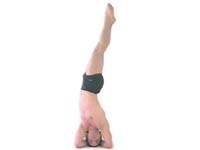
Parsva Salamba Sirsasana
Side Headstand
It is necessary to build the muscles in the spine and neck before attempting this pose.
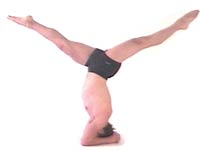
Utthita Pada Sirsasana
Extended Leg Headstand Pose We enter this posture from the Headstand. Carefully open the legs one leg forward the other leg back. Allow the hips to open a little in the direction of the legs.
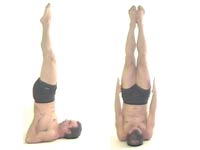
Sarvangasana
The Shoulderstand Pose
The shoulders are pushed slightly into the floor and we stretch through the toes.
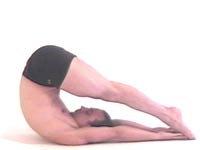
Halasana
Plough Pose
In this yoga posture the neck muscles are stretched.
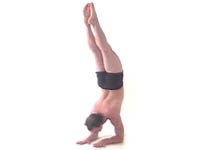
Pincha Mayurasana
Feathered Peacock
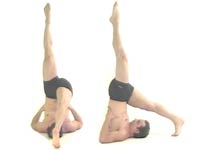
Eka Pada Salamba Sarvangasana
One Leg Shoulderstand
Drop one leg down towards the floor. Place the ball points of the foot on the floor if possible. You can also place the top of the foot on the floor.
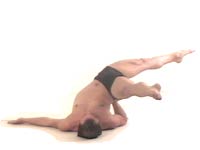
Eka Pada Parsva Sarvangasana
One Leg Side Shoulderstand
The shoulders are pushed slightly into the floor and we stretch through the toes. The legs are opened and the hand supports the legs.
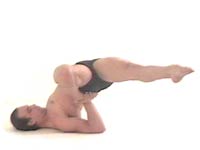
Ardha Bhekasana Parsva Sarvangasana
Half Frog Side Shoulderstand
Resting on the shoulders twist the body sideways. Bend the leg on the shortened side and grab the
foot. Extend the other leg out diagonally.
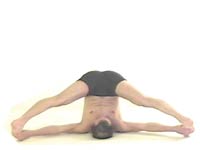
Supta Konasana
Reclining Angle Pose
The tops of the feet can be on the floor if you point them but for a deeper back and leg stretch push through the heels.
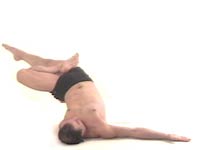
Ardha Padma Sarvangasana
Half Lotus Side Shoulderstand
The shoulders are pushed slightly into the floor and we stretch through the toes.