





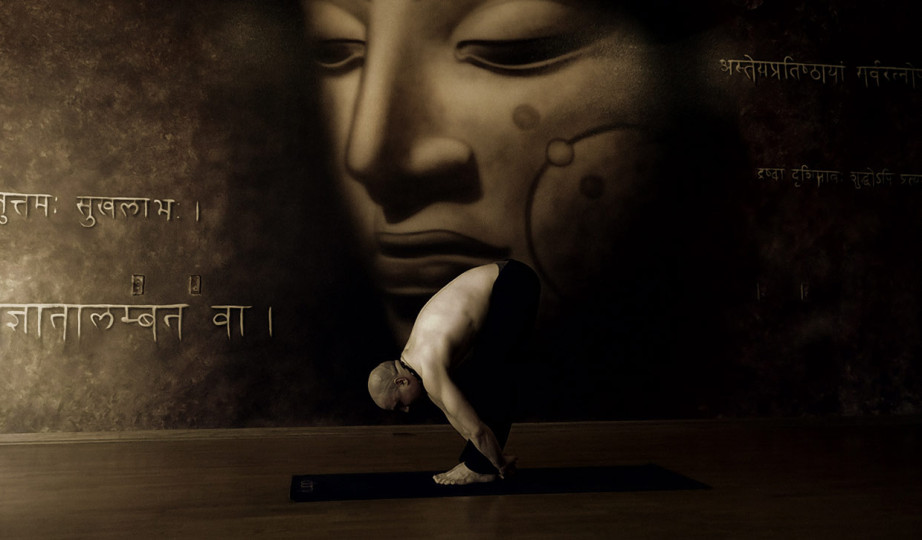
Beginning Yoga Safety Tips
Look for in good experienced yoga teacher when beginning yoga yoga teachers. Find the right yoga mat to protect your joints.
Avoid popular yoga poses like the handstand if you are a beginner. You may not believe it but many yoga teachers will encourage you to try this when you are new and you have not achieved proper arm strength training. Be sensible and trust your own wisdom before a yoga teacher you do not know. I have heard of many people falling on their head when attempting this pose. It may have more dangers than benefits.

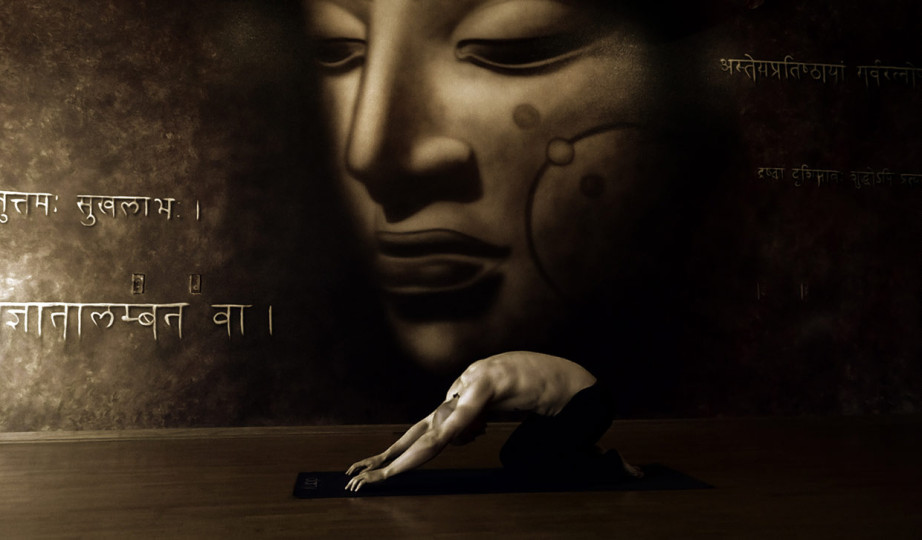
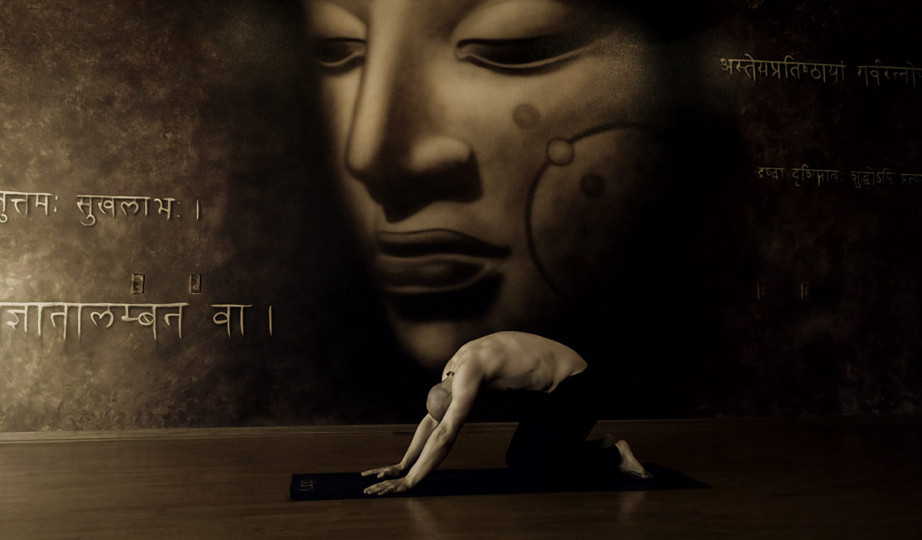
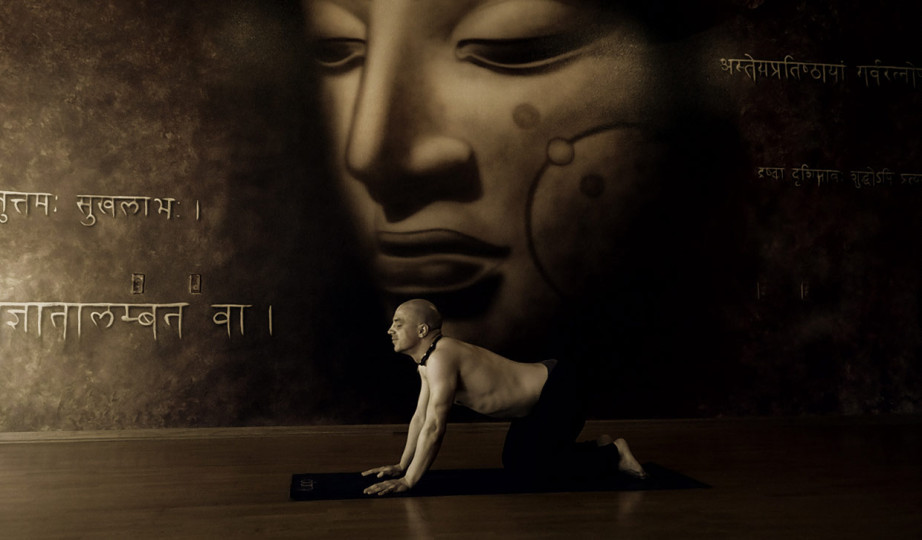
Print out Easy Back Flow Yoga for beginners
1. Find a Suitable Class
Find a beginner yoga class that suits you. If you want to learn the names and slowly become introduced a beginner yoga class is worth taking but you may be able to jump into a fast pace yoga class and keep up if you are athletic, flexible and sharp so you may be terribly bored in a slow paced beginner yoga class. Look at your options and ask your local studio for more advice.
2. Never push too hard
It's easy to look around and try to attempt to push further than we actually can. This makes us unhappy with the bodies state and often provokes injury. Look around then enter your yoga pose stopping when you have a little resistance. Going too hard causes pain and increases your chance of injury greatly. You will also enjoy your yoga class more if you push lightly in the beginning.
3. Seek Out and Experienced Yoga Teacher- Many beginner yoga teachers will push you into a yoga pose they have been taught rather than reflecting upon your bodies capabilities. Find yoga teachers with a lot of experience. They will be able to tune into your body better and help you find the best yoga pose you can do. Be careful there are many beginner yoga teachers out there.
4. Listen to your Body
Learn to listen to your body. Beginners often ignore the subtle felling and signs from the body. This will help you prevent injury.
5. Be very Careful If you Have an Injury
Try to ask your yoga teacher tips on not aggravating and injury. There are many yoga postures that will aggravate knee injuries and lower back injures. Not to mention all the other areas of the body that suffer injuries. Avoid poses that over-stretch of twist and end unstable injured joints. limbs or areas. If your yoga teacher cannot give you tips for your injury then it will reflect upon their experience and yoga teacher training. Find a more qualified yoga teacher. See yoga for Knee injuries, Yoga for back pain, yoga for shoulder injuries.
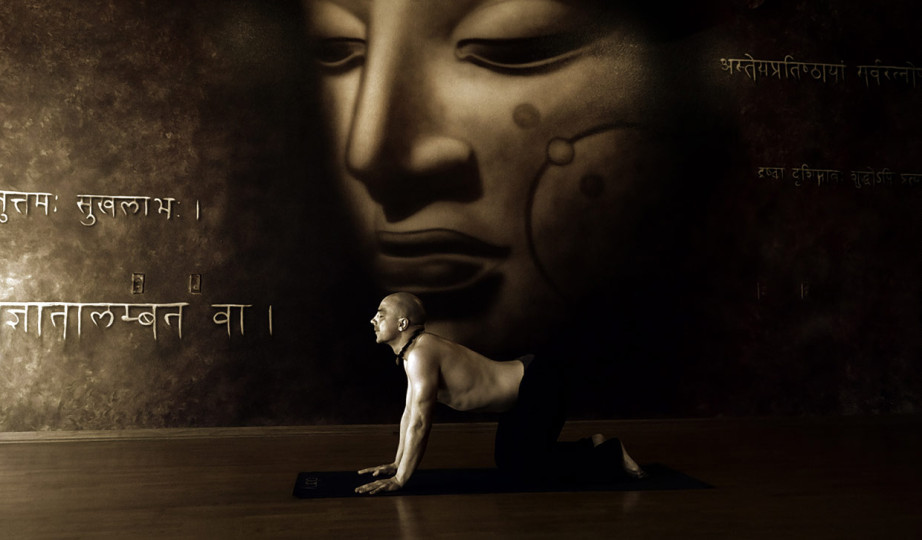
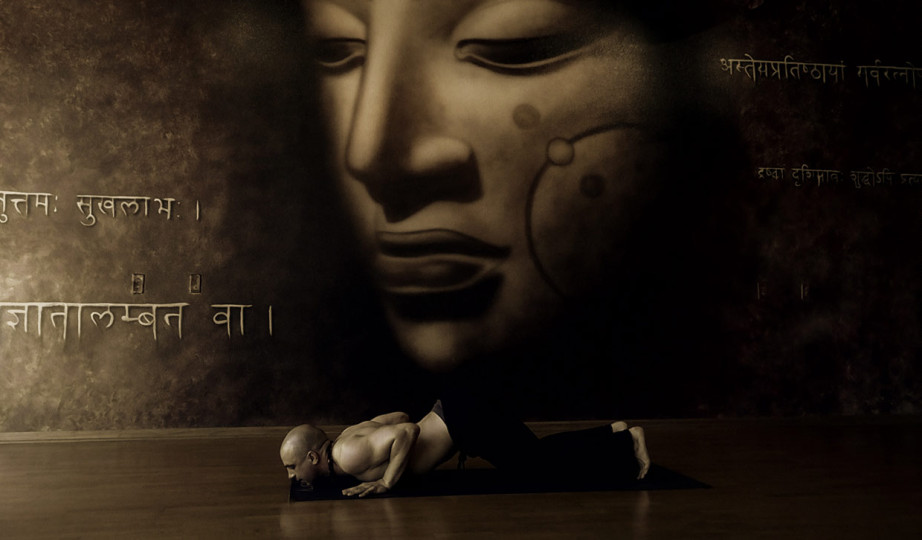
Choose to enter a pose halfway if it seems like it will injure you like the example of Cobra pose shown. >>
6. Choose a Class with Good safety tips
Yoga teachers that give good safety tips demonstrate a deeper knowledge of yoga postures and you will begin your yoga with a good attitude towards injury prevention. Look for yoga teachers that give safety tips throughout your yoga class.
7. Individual help
When beginning yoga a good yoga teacher will identify you are a beginner and should give you a little individual help. If they don't find one that does as there are plenty that will take the time to help you in your first yoga steps.
8. Proper Breathing
Remember to breathe when you practice. Yoga Beginners often hold their breath due to concentration on the yoga pose. When you begin yoga relax and breathe.
9. Don't be Put off
Some yoga classes will be too hard while others will be boring and slow. If you didn't like your first yoga class look around for another. They differ greatly as do individual expectations of what someone wants from a yoga class. Don't give up seek and you will find.
10. Stay Motivated
You may feel inflexible and out of place but in time you will gain flexibility and strength. Hang in there and if you feel like you are making no progress remember you are not getting less flexible by attending a yoga class. You will become stiffer if you don't.
See tips for beginner yoga positions.
See some advanced yoga positions and see where yoga will take you.
written by Mark Giubarelli
|